Menu
Back

Call This 2026 to Get $25 OFF
Call This 2026 to Get $25 OFF
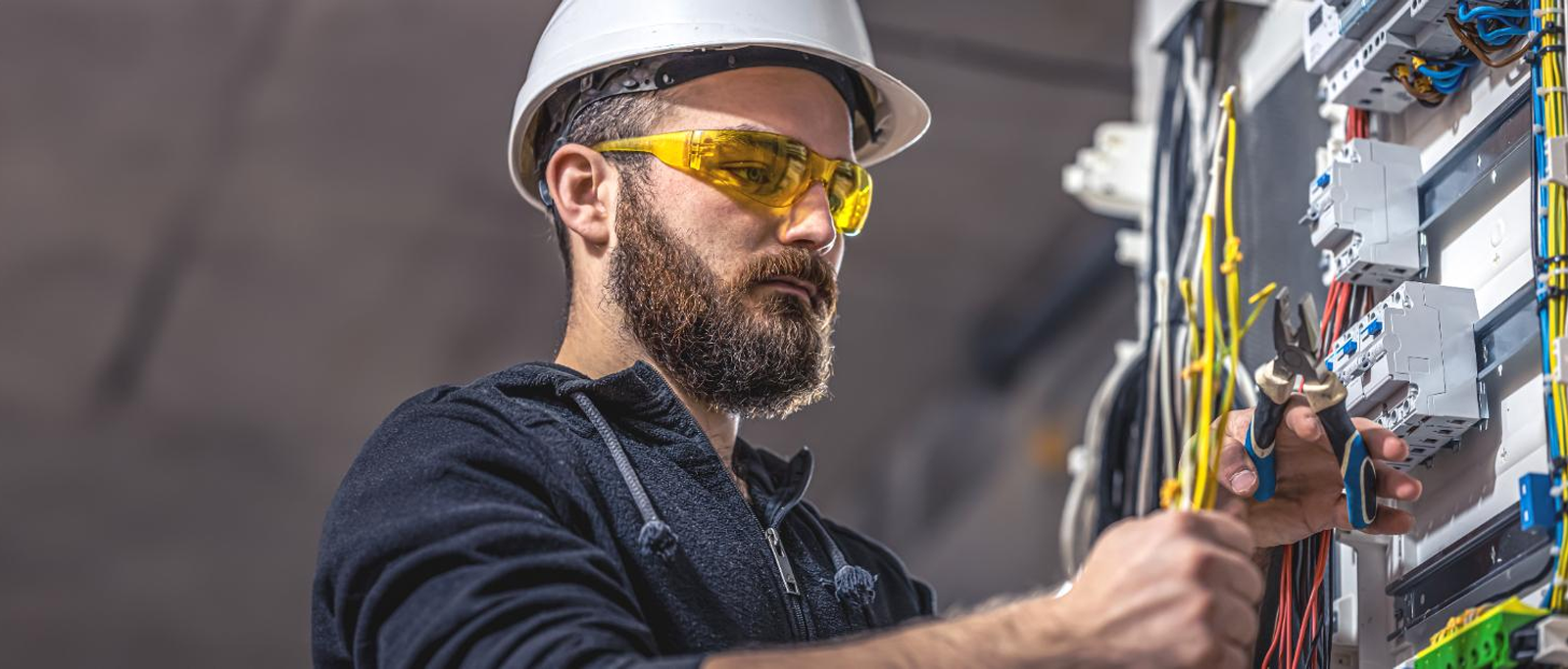
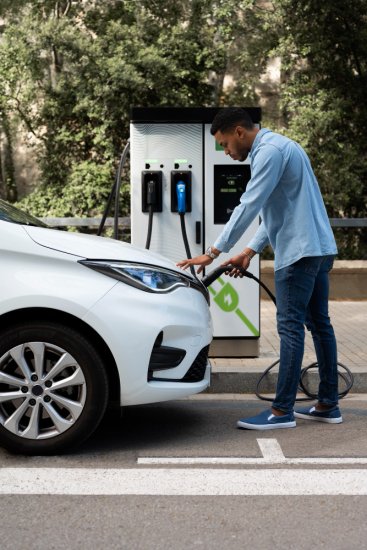
The adoption of electric vehicles continues to grow as an increasing number of drivers make the switch. At the same time, the need for convenient charging solutions at home has become more important than ever. If you’re making the switch to an EV, you may be wondering whether to hire a professional electrician in Denver, CO or handle the job yourself. Before we get into the details, we’d like to advise homeowners against handling any kind of electrical installations.
At Colorado Electricians, we understand why drivers and businesses are switching to EVs. They are good for the environment and wallet, and being able to charge at home is the ultimate convenience. But before you spend countless hours watching DIY tutorials and assembling supplies, let’s talk about why electric vehicle charger installation is a job best left to electricians like us at Colorado Electricians.
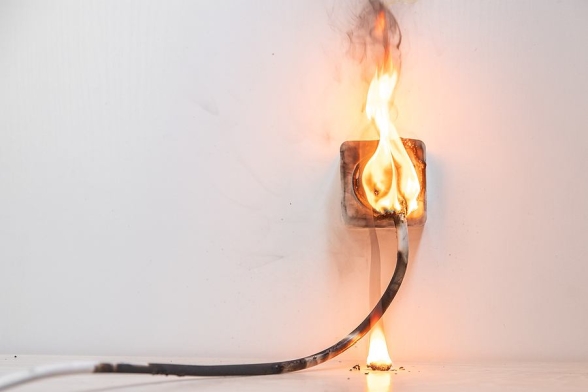
Installing an EV charger is not as simple as plugging in a new appliance. Level 2 chargers, which are the most popular for home use, require a dedicated 240-volt circuit similar to what powers a dryer or oven. This often means upgrading your electrical panel, running new wiring, installing a breaker, and ensuring the system meets local electrical codes. Improper installation can result in electrical overloads, damage to your vehicle or charger, and serious safety hazards. This job should be left to a trusted electrical repair service with years of industry experience.
DIY installation may seem attractive, especially for homeowners with electrical experience or those looking to save money. Installing a charger yourself can reduce labor costs and give you a sense of control over the project. Some plug-in Level 2 chargers are marketed as DIY-friendly, which may give homeowners confidence to attempt the installation on their own.
However, even experienced DIYers can overlook important factors such as load calculations, grounding requirements, and local permitting rules. Mistakes during installation can lead to tripped breakers, slow charging speeds, or failed inspections. In some cases, improper installation can also void manufacturer warranties or homeowners insurance coverage.
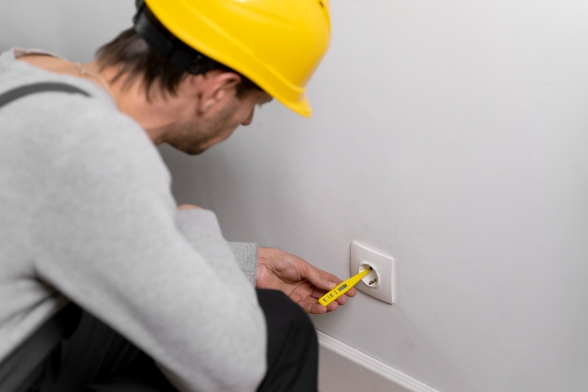
Hiring a licensed electrician ensures your EV charger is installed safely and correctly from the start. Electricians evaluate your home’s electrical capacity, determine whether a panel upgrade is needed, and install the proper wiring and protection devices. They are familiar with local codes and permitting requirements, which helps prevent delays or compliance issues.
Professional installation also provides peace of mind. A properly installed charger operates more efficiently, charges your vehicle faster, and reduces the risk of overheating or electrical failure. Many electricians also offer warranties on their workmanship, adding an extra layer of protection for your investment.
Safety should always be the top priority when working with high-voltage electrical systems. EV chargers draw a significant amount of power for extended periods, making correct installation critical. Trusted electricians ensure proper grounding, surge protection, and breaker sizing to protect both your home and your vehicle.
In addition, many municipalities require permits and inspections for EV charger installations. A professional electrical repair service handles this process on your behalf, saving time and ensuring everything passes inspection. Over time, a professionally installed charger can also add value to your home and appeal to future buyers.
Installing an EV charger is an investment in your home and your future, and it’s not something to take a gamble with. If you’re looking for top-rated electricians offering EV charger installation, contact the team at Colorado Electricians. Our licensed and experienced electricians are highly trained and keep up with the latest EV charging technology to stay ahead of the curve. You can expect safe EV charger installations, custom solutions, and expert guidance. Let our licensed and experienced electricians take the hassle out of setting up your EV charging system.