Menu
Back

Call This 2026 to Get $25 OFF
Call This 2026 to Get $25 OFF


Flickering lights are one of the most common electrical complaints homeowners have, but the causes range widely. It could be a simple loose bulb or a major wiring issue that needs professional attention. At Colorado Electricians, we diagnose flickering lights every week and can help homeowners figure out whether they're dealing with an annoyance or a safety concern. Several different problems can produce the same symptom, which makes finding the root cause tricky. Keep reading to find out about the most common reasons lights flicker, which situations you can handle yourself, and when it's time to call a professional.
The first thing to check when your lights start flickering is the bulb itself, because a bulb that isn't screwed in all the way creates an inconsistent connection with the socket. That intermittent contact causes the light to flash on and off at random intervals, and this happens more than you might expect with bulbs that get bumped or fixtures that experience vibration from nearby foot traffic. Turn off the light, let the bulb cool down, and then make sure it's seated properly in the socket by giving it a gentle twist. If you've recently had a lighting installation done by someone other than a licensed professional, the bulb might not be the right type or wattage for the fixture. Using an LED bulb in a socket that's designed for incandescent bulbs can also create compatibility problems that show up as flickering or strobing. The fix is simple in most cases. Tighten the bulb, replace it with the correct type, or try a different brand to see if the problem disappears. Before you assume something major is wrong with your electrical system, always start with this basic step because it solves the issue about half the time without any further work needed.
Your home's electrical system divides power among different circuits, and each has a limit to how much electricity it can safely carry at any given moment. When you plug in a high-draw appliance like a space heater, vacuum cleaner, or hair dryer, the sudden demand for power can cause lights on the same circuit to dim or flicker. This is called voltage drop. A brief flicker when a large appliance kicks on isn't dangerous, but frequent dimming suggests the circuit is working beyond its capacity. Electricians in Cherry Hills Village see this problem a lot in older homes where the electrical panel can't handle modern power demands. If your lights flicker every time you turn on a certain appliance, you might need to move it to a different circuit or have a dedicated circuit installed. Ignoring an overloaded circuit can lead to tripped breakers, damaged appliances, and, in serious cases, overheated wires that become a fire hazard. Pay attention to the patterns because they tell you a lot about whether the circuit is the culprit.
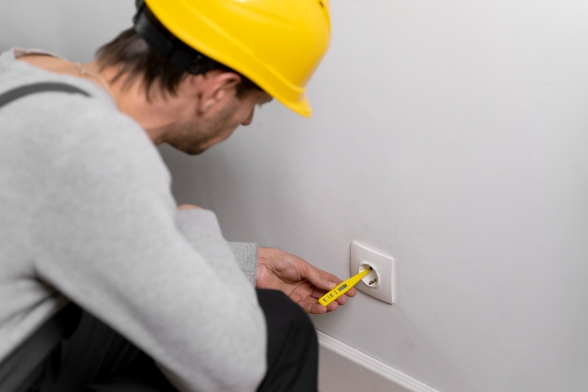
Loose wiring is one of the more concerning causes of flickering lights because the problem is invisible and potentially dangerous to you and your family. Every electrical connection in your home should be tight and secure, from the outlet boxes to the light fixtures to the main panel where all the circuits originate. Eventually, wires can work themselves loose from temperature changes that cause expansion and contraction, or from vibrations in the structure of the house. A loose wire creates resistance at the connection point, which generates heat that can damage surrounding materials. This is exactly the kind of situation that can start an electrical fire if left ignored for months or years. Flickering light repair in these cases requires opening up walls, ceilings, or electrical boxes to locate and fix the loose connection at its source. You won't be able to see this type of problem without removing cover plates and inspecting the wiring behind them, which is why a professional electrician should handle the diagnosis if you suspect your wiring is the issue. Old homes with original wiring are susceptible to this problem because connections that were made decades ago have had plenty of time to loosen and deteriorate.
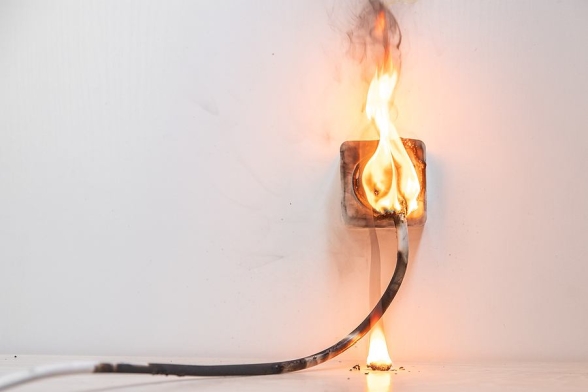
Not all flickering lights mean you have an emergency on your hands, but certain signs indicate you need to act fast and get help. If your lights flicker throughout the entire house rather than just in one room, the problem might be at the main panel or the utility connection, and both of those situations require professional attention. A burning smell near outlets or switches, scorch marks on cover plates, or a buzzing sound from your electrical panel all point to dangerous conditions that could lead to fire within your walls. Electricians will tell you that any flickering accompanied by these warning signs demands a same-day inspection without exception. You should also be concerned if the flickering started after a storm, after renovation work was done on your home, or if it's getting progressively worse rather than staying consistent. Proper lighting installation and regular maintenance can prevent many of these issues from developing in the first place. When you're unsure whether your situation is urgent, it's better to call and describe what you're experiencing than to wait and hope the problem resolves on its own. Flickering light repair costs are minimal compared to the expense and heartbreak of fire damage, so don't put off getting your electrical system checked by someone who knows what to look for.
When flickering lights disrupt your home, start with the simple fixes first. Check your bulbs, pay attention to which appliances trigger the flickering, and look for any visible signs of damage before making the call. If the problem persists or you notice warning signs like burning smells, warm cover plates, or unusual sounds, contact Colorado Electricians right away. Our team will find the source of your flickering lights, explain your options, and get your electrical system back to normal. Give us a call today to schedule your inspection.